Your Neurodiversity Coach
If you're here, you probably know what it's like to have a busy head, to struggle with the intensity of your emotions, or to lose track of time and stay organised.

Who I work best with
You don't need a formal diagnosis to work with me, but you probably recognise yourself in some of this:
If that lands, what's been missing probably isn't more information. It's a structured, skills-based process built around your actual life.
What I think coaching should look like
Most coaching is a weekly chat: talk it through, feel heard, leave with some ideas — then life happens until the next session.
That’s not what I do.
I think real change happens in the hours between sessions, not just the one hour inside them. Through your portal, we track what you’re working on, I send resources that match it, and we stay reachable for check-ins. It’s continuity rather than a weekly reset.
Coaching with me is also skills-based. You’re not just talking about what’s getting in the way, you’re practising tools to work with it: Drop Anchor when overwhelmed. Unhook from stuck thoughts. Use the Choice Point to act on values, not fear. These aren’t ideas to understand once — they’re skills you build, and that happens between sessions too.
Coaching like this asks something of you too. It’s not perfection, but genuine engagement. Sometimes what someone needs most is space to talk, and if that’s you, I’ll gladly recommend a good therapist. But if you’re ready to build real, lasting change, that’s exactly where I can help.

Why ACT, and why it suits this work?
Most approaches to ADHD and autism open with the same question: what’s wrong, and how do we correct it? Symptoms to manage. Behaviour to adjust. A standard to get closer to.
ACT starts somewhere else. It asks what you’re trying to build, what gets in the way, and which skills would make the difference — in the circumstances you’re actually in.
That last part matters more than it sounds. The same person can thrive in one job and come apart inanother. Same person, different conditions. So the useful question isn’t only what are you like. It’s what are you up against, and what’s workable from here.
Four things follow from that.
Human first
Struggle isn’t evidence of defect. Difficulty starting, difficulty stopping, difficulty regulating —these are human experiences that show up more intensely for some people, in some situations. No two brains are the same. That’s the starting assumption, not a conclusion I need a diagnosis to reach.
And a unique individual second
If you’ve met one person with ADHD, you’ve met one person with ADHD. The same goes for autism. Your sensory needs, your strengths, your week, your history — the work gets built around those, at whatever pace and with whatever structure you need.
Skills, not just insight
Our work moves you from knowing to doing. Understanding why you procrastinate has never once made anyone stop procrastinating. Skills are different. You practise them, they get easier, and eventually they’re there when you need them — so you can respond differently to the same stressors that are an inevitable part of life.
Neutral on medication
ACT is neither for it nor against it. If medication helps you build a life you want andthe benefits outweigh the costs, it’s workable. That’s a conversation between you and your prescriber —my job is everything around it.


Unmasking myself first
I didn't start here. My career began in Rotterdam as an energy policy consultant — stable income, clear
progression, work that looked excellent on paper. I was also hiding behind a desk, and, though I couldn't
have named it then, behind a mask.
It took two years of sitting with that feeling before I acted on it. Then I handed in my notice and made a move that made very little sense on paper: corporate consultancy to coasteering instructor in Wales. Then behavioural therapy, working with autistic clients. Then mentoring people into work. Then coaching.
Step by step, I moved closer to work that was actually close to my heart and my skillset.
That experience — of knowing something needed to change but struggling to move — is one I've lived. It's also one I help people navigate every week.
For over nine years I've worked exclusively with neurodivergent adults, across private practice and public sector contracts: the DWP's Access to Work scheme and the Ministry of Justice. Neurodiversity is part of my family life too, and navigating that daily teaches me things no training course has.
Training credentials
- ACT Practitioner — listed with the Association for Contextual Behavioural Science (ACBS)
- ILM Level 5 in Coaching and Mentoring
- MSc — Consumer Studies (specialising in behavioural economics)
- Seven-plus years applying ACT in coaching across employment support, cancer care, long-term health conditions and probation
- Registered Access to Work coaching supplier; current DBS and professional indemnity insurance

Working with me
Outside of coaching, I’m a husband and father.
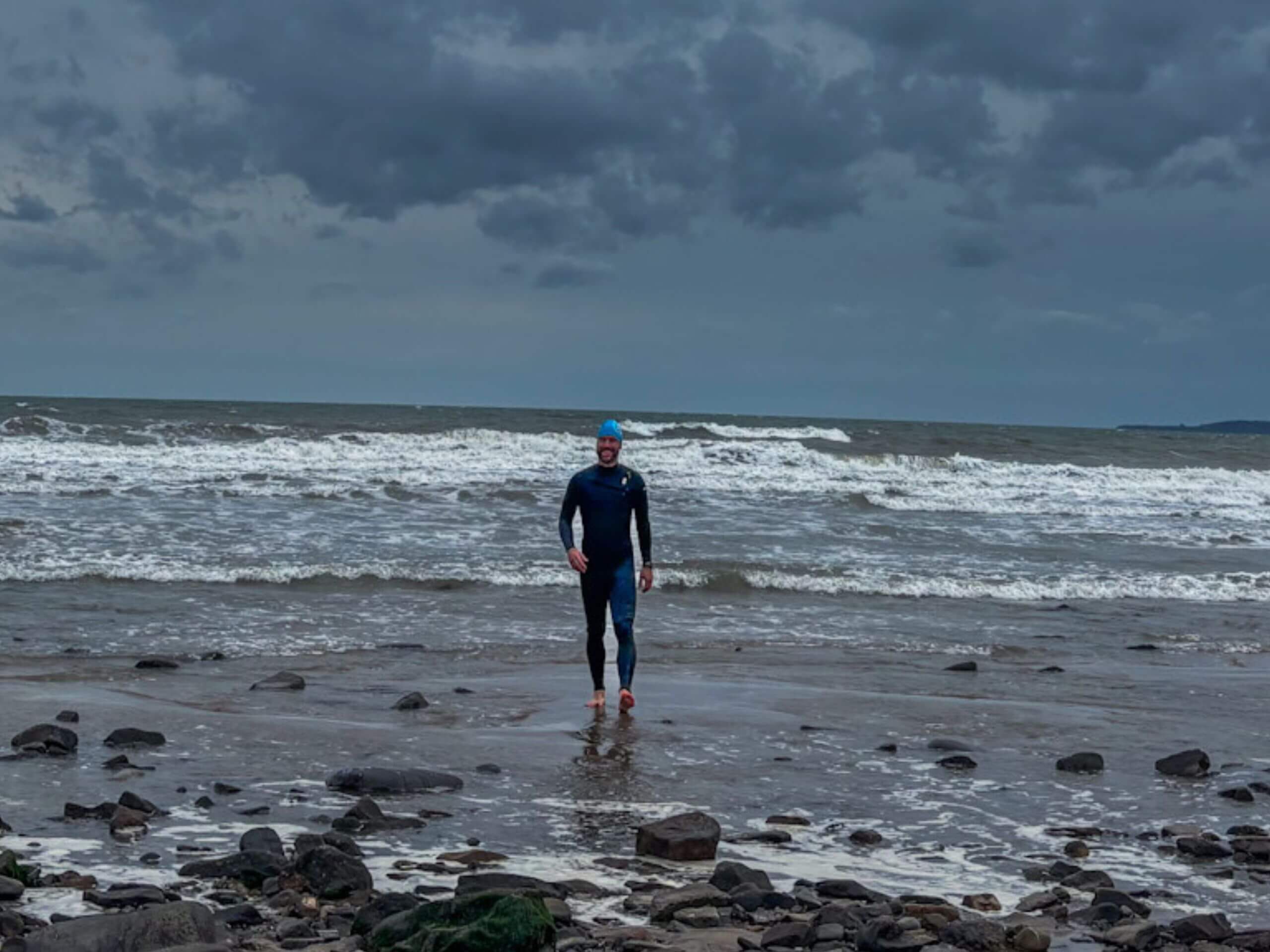
When I find time for myself, I’m usually outdoors or swimming in cold water. It keeps me present and helps me reconnect to my body (head-heavy job).
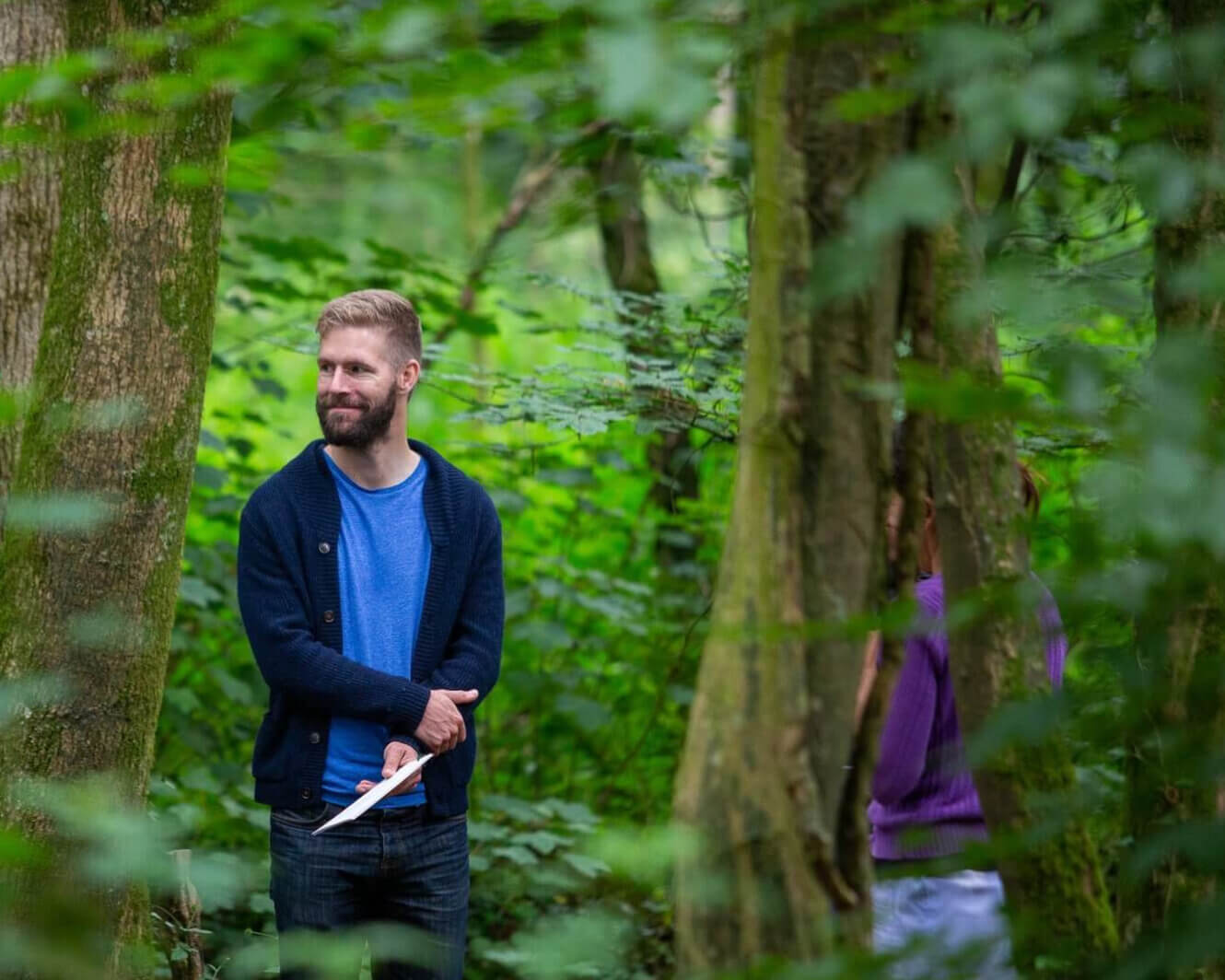
Nature and movement grounds me.
I tend to be direct, warm, and practical. I’ll hold you to what you said you wanted — and I’ll notice when the obstacles are worth sitting with versus when it’s time to move.