Personal picks
Everything here is something I actually use, recommend to clients, or return to myself. Books, apps, and a free self-assessment — chosen because they work, not because they’re popular.
Books that are worth a read
There's no shortage of books about ADHD and autism. The ones below are the ones I find myself returning to, recommending to clients, and genuinely standing behind. If I had to point you to just a few, these would be them.
The Neurodivergence Skills Workbook for Autism and ADHD
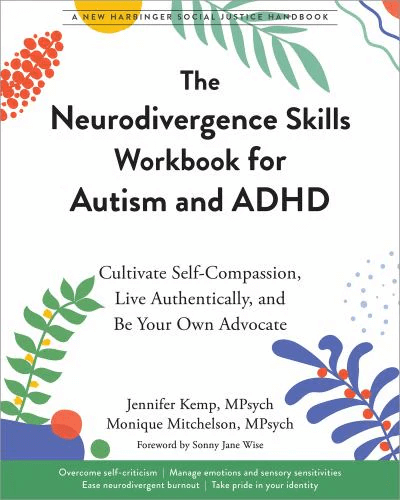
A practical, evidence-based companion that stands out for one simple reason: it’s built to be used, not just read. Where most books on ADHD and autism offer insight without application, the workbook format actively bridges the gap between knowing and doing — a distinction that matters enormously for neurodivergent adults, for whom that gap can feel frustratingly wide.
What elevates it further is the integration of ACT principles throughout — giving readers not just strategies, but a psychological framework for relating to their experience with more flexibility and self-compassion.

The Body Keeps the Score
After nearly a decade coaching neurodivergent adults one-to-one, I’ve come to see how often a person’s experience is shaped by trauma — whether personal or intergenerational. It isn’t a prerequisite, but for many, the hypervigilance or heightened sensitivity they carry through life finds its roots in their history.
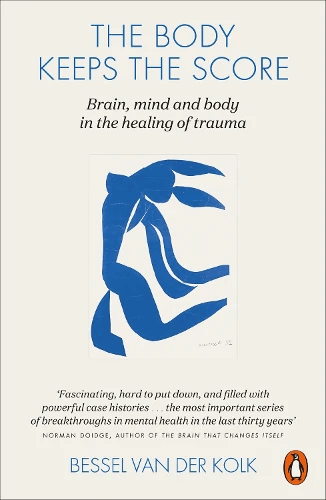
This book articulates that connection with real depth. It’s a dense read — better suited to those already familiar with the territory than to complete newcomers — but it rewards the effort. Recommended for anyone who wants to understand the relationship between trauma and the way we experience ourselves in the world.

Atlas of the Heart
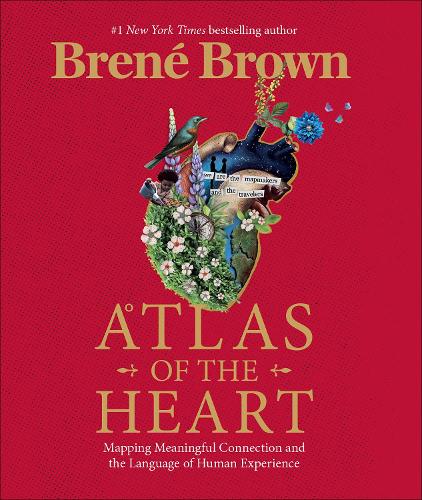
Brené Brown writes from the heart — which, for a researcher who has spent her career studying human connection, feels exactly right. Her ability to weave personal storytelling with rigorous evidence is what makes her work feel both grounding and credible. In my view, this may be her best book.
For many neurodivergent adults, emotional regulation is one of the most persistent challenges — and a foundational step is simply learning to recognise and name what you’re actually feeling. This book does that better than anything else I’ve come across. Not through clinical definitions, but through storytelling that makes the distinctions between emotions genuinely land. It resonates, and it sticks.
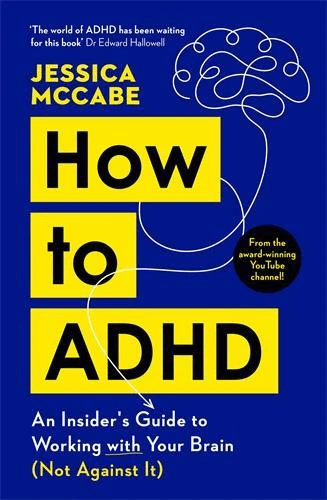
How to ADHD
This book reads like a conversation rather than a textbook, which makes it particularly accessible for the ADHD brain. Many of my clients have found it resonant — and that’s no surprise. How to ADHD grew directly from Jessica McCabe’s YouTube channel, shaped by a real community of people who live this experience every day.
What makes it stand out is its honesty. It doesn’t shy away from the struggles, but carries them with humour — McCabe openly admits it took her eight years to write, her ADHD very much included in the process. There are practical ideas throughout, even if they can feel a little scattered at times (which, arguably, feels entirely on-brand).
The community roots really show — the stories woven throughout feel genuine because they are. One of my former clients is even featured in its pages.
Insightful self-assessments
Self-knowledge is a good starting point. These two free assessments won't give you a diagnosis — but they will give you a clearer picture of where you are right now, and where coaching could make the most difference.
Your Neurodiverse Coaching Needs
"Executive functioning" gets used a lot — but behind that clinical phrase are real, daily struggles that often go unseen. This free quiz cuts through the jargon and shows you exactly which skills are your strengths and which ones might be quietly getting in your way. Takes under five minutes. Results are personalised and actually useful.
Your Neurodivergent Score
If you've ever wondered whether ADHD or autism might be part of your story, this is a good place to start. The Neurodivergent Score is a free, research-informed self-assessment that measures traits commonly associated with both. Takes under five minutes. Instant, personalised results — no diagnosis, no judgement, just a clearer picture of yourself.
The app store is a rabbit hole — especially when your brain is drawn to every shiny new productivity tool. These are the ones that have actually made a difference for the neurodivergent people I work with. No affiliate links, no sponsorship. Just what works.
Apps that can make a difference
How we feel
A free, non-profit app developed with the Yale Center for Emotional Intelligence — the team behind the excellent book Permission to Feel. It does something deceptively simple: it helps you check in on what you’re feeling and builds a record of it over time.
The mood meter at its core helps you map and name your emotional state, build vocabulary for feelings, and notice patterns you might otherwise miss. You can go deeper with journal entries if that suits you, or keep it as a quick daily check-in. For neurodivergent adults working on emotional regulation, it’s one of the most practical starting points I’ve found.


ScreenZen
A free app blocker supported by donation. ScreenZen lets you set time limits or blocks on any app on your phone — a simple but effective way to reduce doom-scrolling and bring more intention to how you use your screen time.
What makes it worth recommending is the pause it builds in. Rather than just blocking you outright, it asks you to wait briefly before opening an app — which is exactly the kind of deliberate friction that helps interrupt automatic behaviour. You can even write your own prompt for your pause, mine is Is this a towards move? There’s a light gamification element too, with streaks that reward consistency if that kind of thing motivates you.


Finch
Finch is a self-care and accountability app built around a virtual pet bird — think Tamagotchi, but for your own wellbeing. You complete small, self-chosen goals to help your bird grow and thrive.
It sounds simple, and it is — but that’s the point. For neurodivergent adults who struggle to maintain self-care routines or find traditional habit trackers too rigid, the gentle gamification can make a real difference. It removes the pressure of productivity and replaces it with something more forgiving: a daily reason to show up for yourself.
Due
Due is a reminders app (paid) with one important difference: it breaks through almost all “do not disturb” settings, making it nearly impossible to ignore. If you’ve ever silenced your phone, missed a reminder, and then spent the rest of the day dealing with the fallout — this app was built for you.
The critical alerts feature is particularly useful for time-sensitive commitments. It has made a real difference to my own ability to keep appointments and stay on top of tasks — and it’s one I come back to recommending regularly for clients who struggle with time blindness or working memory.